
What Is a Straight Belt Conveyor?
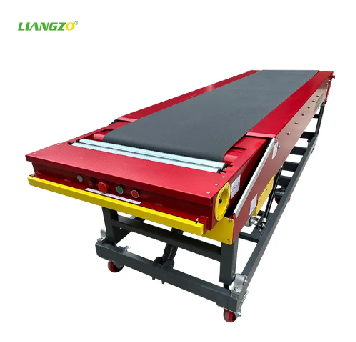
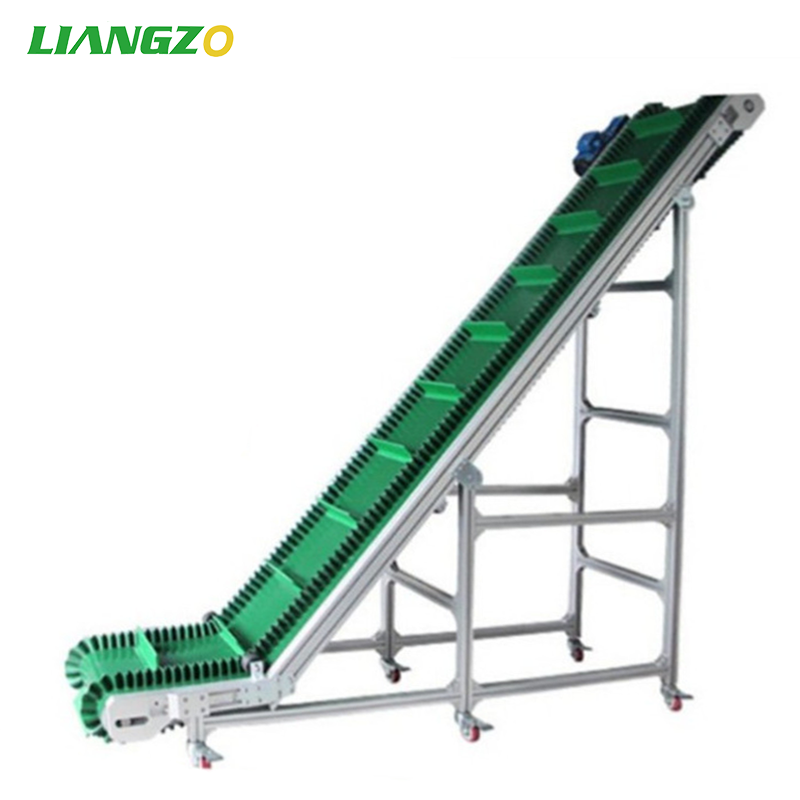
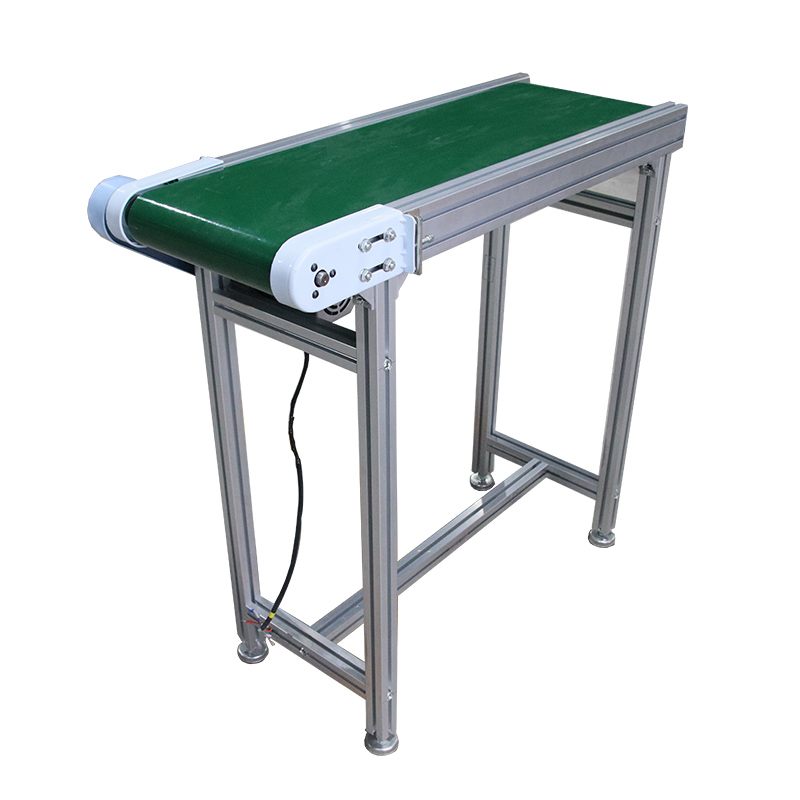
A straight belt conveyor consists of a continuous loop of flexible material—rubber, PVC, or polyurethane—stretched over two pulleys. A drive motor powers the head pulley, moving the belt and transporting products along a fixed path.
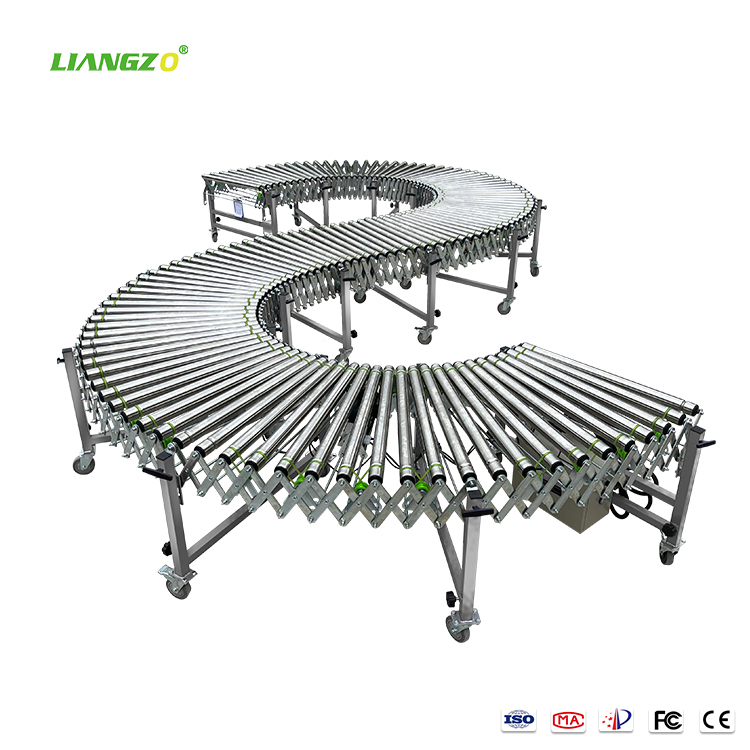
Unlike roller conveyors that rely on individual motorized zones or gravity, belt conveyors offer a continuous, unbroken surface. This simple design difference yields significant operational benefits.
7 Key Advantages of Straight Belt Conveyors
1. Versatility Across Product Types
Modern warehouses handle an enormous variety of products—from small polybags and irregular cartons to fragile items and bulk materials. Belt conveyors excel here. The continuous surface accommodates items that would jam on roller systems: small parts that fall between rollers, tall boxes prone to tipping, and loose materials that require stable transport. This versatility reduces the need for multiple specialized systems, simplifying the conveyor network.
2. Stability and Product Protection
Product damage leads to returns, eroding margins and customer trust. Belt conveyors offer unmatched stability. Because products rest on a solid surface rather than rollers, there is minimal vibration and no risk of tipping. This is critical for high-center-of-gravity items, fragile goods, and automated induction where consistent positioning is essential for scanners and robots.
3. High-Speed Continuous Flow
Throughput is measured in units per hour, and belt conveyors deliver. While roller systems often introduce micro-stops due to zone transfers, belts provide uninterrupted flow. This makes them ideal for feeding high-speed sorters, merging multiple lines, and transporting products over long distances efficiently.
4. Seamless Automation Integration
As warehouses adopt automation, the conveyor system must serve as a reliable foundation. Straight belt conveyors integrate seamlessly with:
Weigh-in-motion systems: Stable surface enables dynamic weighing without stopping.
Scanning tunnels: Consistent speed and orientation ensure accurate reads.
Diverters and sorters: Predictable product registration maximizes sorter efficiency.
Robotic workstations: Belts present items at precise intervals for pick-and-place operations.
5. Durability and Low Maintenance
Warehouse environments are harsh—dust, debris, and 24/7 operation push equipment to its limits. Belt conveyors are engineered for durability. With fewer moving parts than motorized roller (MDR) systems—a single drive motor can power a 200-foot section—they offer fewer failure points, simpler controls, and easier troubleshooting. Heavy loads, from pallets to industrial totes, are handled with ease.
6. Energy Efficiency
Sustainability is a growing priority. For long-distance transport, a single belt drive consumes significantly less energy than dozens of individual MDR zones, each with its own motor and controller. Modern variable frequency drives (VFDs) further optimize energy use by adjusting speed based on real-time demand.
7. Cost-Effectiveness
From initial investment to long-term ownership, belt conveyors deliver value. Lower component costs, simpler installation, reduced spare parts inventory, and a lifespan exceeding 20 years make them a sound investment for any operation.
Strategic Warehouse Applications
Where should straight belt conveyors be deployed for maximum impact? Here are the most critical applications.
Receiving
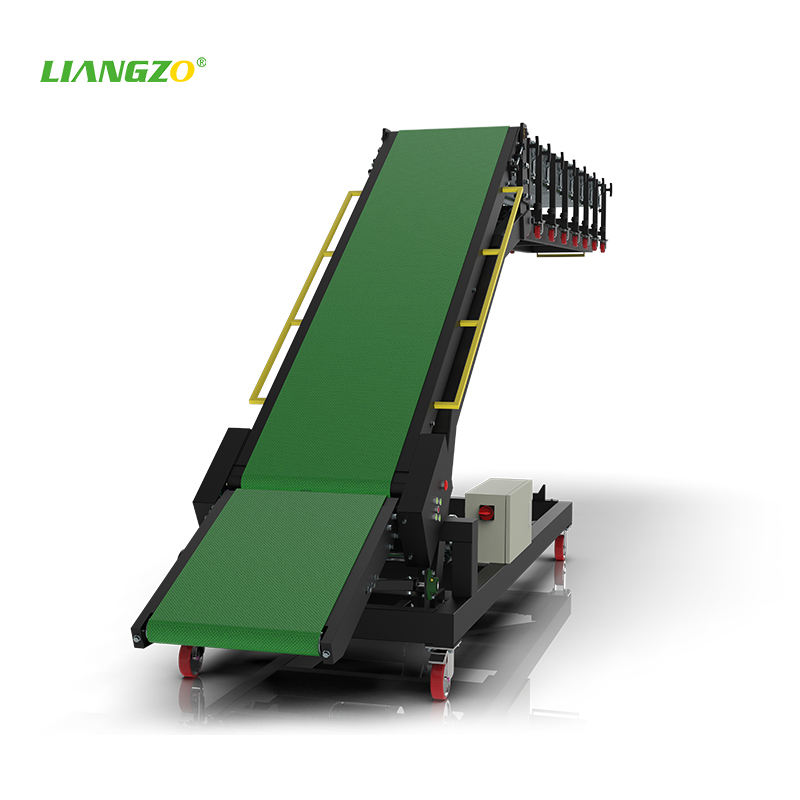
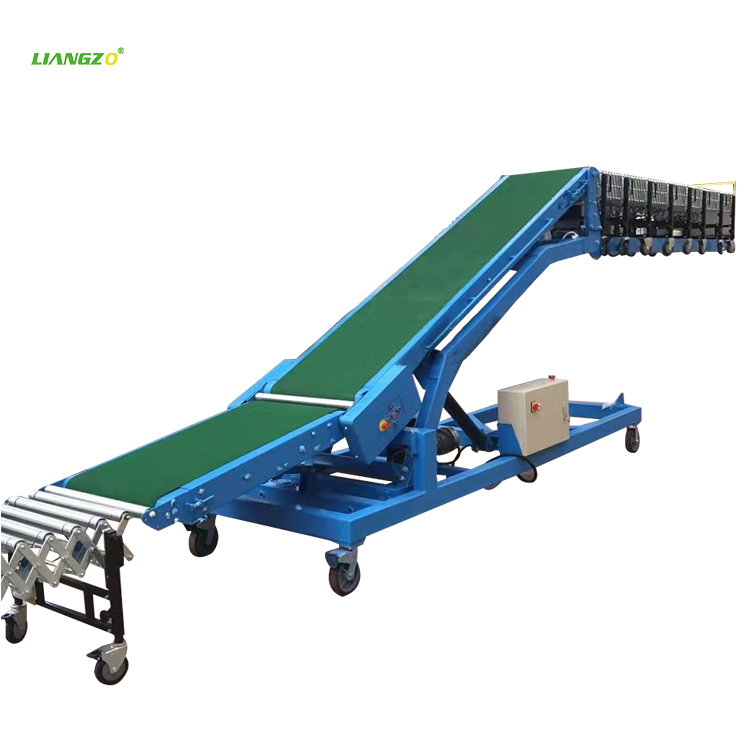
The receiving dock sets the pace for the entire facility. Telescopic belt conveyors extend directly into trailers, allowing workers to unload loose cartons onto the conveyor network without forklifts. This reduces trailer turnaround time and accelerates inventory receipt.
Sortation Induction
The induction point is often the bottleneck in automated sortation. Belt conveyors provide precise gapping and alignment, ensuring products enter the sorter at optimal spacing. This maximizes sorter throughput and reduces mis-sorts.
AS/RS Infeed and Outfeed
Automated storage and retrieval systems (AS/RS) rely on predictable timing. Belt conveyors deliver totes and cartons to cranes and shuttles with consistent precision, maximizing the utilization of expensive storage automation.
Packing and Shipping
In the final stages of fulfillment, belt conveyors feed packing stations with empty cartons and consolidate finished orders onto main shipping lines. Powered declines control the speed of heavy cartons, preventing runaway loads that could injure workers or damage products.
Returns Processing
Reverse logistics is notoriously challenging. Returns arrive in irregular shapes and loose packaging. Belt conveyors provide a stable surface for sorting and inspection, integrating easily with scanners to capture return data efficiently.
Addressing Common Concerns
Some operators hesitate to deploy belt conveyors due to outdated perceptions. Let’s set the record straight:
"They lack accumulation." Modern systems can incorporate zero-pressure accumulation using sensors and controlled stops. While not their primary function, accumulation is achievable.
"Maintenance is high." Belt tracking and tensioning are straightforward. With fewer motors and controllers than MDR systems, total maintenance hours are often lower.
"They’re not flexible." For straight-line transport, they are highly flexible regarding product mix. Modular sections can be reconfigured as warehouse layouts evolve.
The Bottom Line
As supply chains grow more complex and consumer expectations for speed intensify, the need for reliable material handling has never been greater. While robotics and AI capture headlines, the straight belt conveyor remains the unsung hero of the warehouse floor.
Its ability to handle diverse products, provide stable transport, integrate with automation, and deliver long-term durability makes it an essential component of any high-performance distribution center. At [Your Company Name], we believe the best automation strategies are built on a foundation of simple, robust, and reliable conveyance.
Ready to optimize your warehouse operations? Contact [Your Company Name] today. Our engineering team specializes in designing integrated conveyor systems tailored to your goals. Let’s build a smarter, faster warehouse together.
FUJIAN LIANGZO Conveyor is a leading provider of material handling solutions, specializing in conveyor systems, sortation technology, and warehouse automation. We help businesses transform logistics operations into competitive advantages.
Media Contact:https://www.fjlzzn.com/