
From Gravity to Automation, Choosing the Right Technology Can Make or Break Supply Chain Efficiency
In the sprawling distribution centers of Amazon, the assembly lines of Tesla, and the bustling sorting facilities of UPS, an silent battle is being waged not with robots or drones, but with one of the most fundamental tools of material handling: the conveyor. While often overlooked by the general public, the choice between two specific types of gravity-fed systems—skate wheel conveyors and roller conveyors—represents a critical engineering decision that impacts efficiency, safety, and the bottom line.
As the global logistics sector faces unprecedented pressure to speed up delivery times while managing labor shortages, understanding the nuanced differences between these two workhorses of industry has never been more relevant. Industry experts and academic literature from leading sources such as ScienceDirect and trade publications like Modern Materials Handling point to a clear distinction: while they may look similar to the untrained eye, wheel and roller conveyors are designed for fundamentally different jobs.
The Fundamental Architecture: Wheels vs. Roller
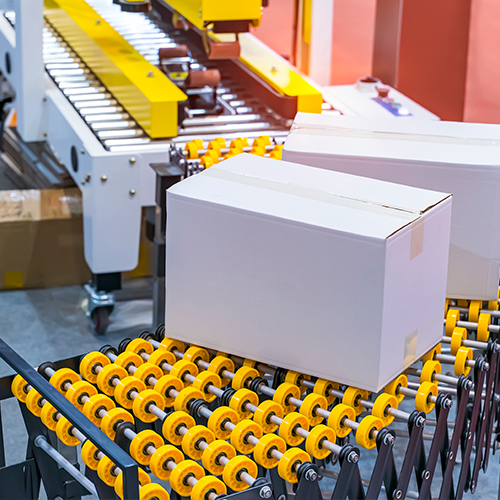
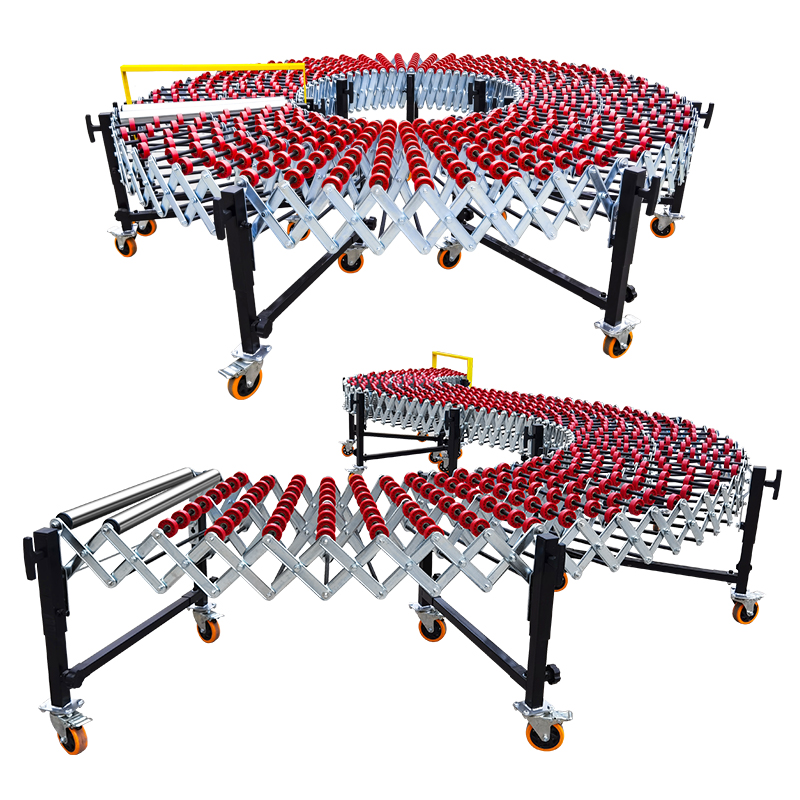
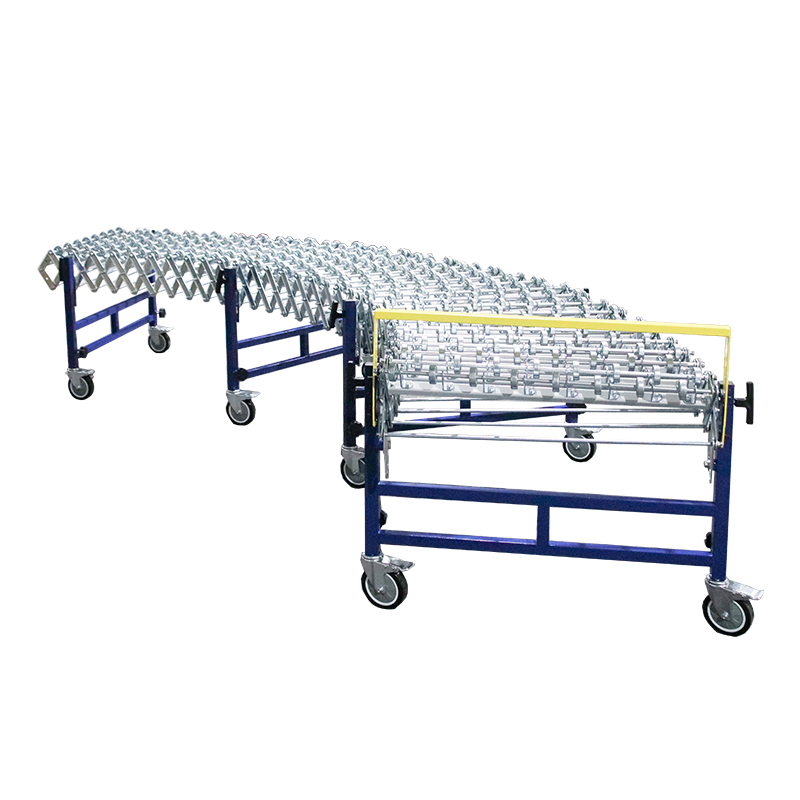
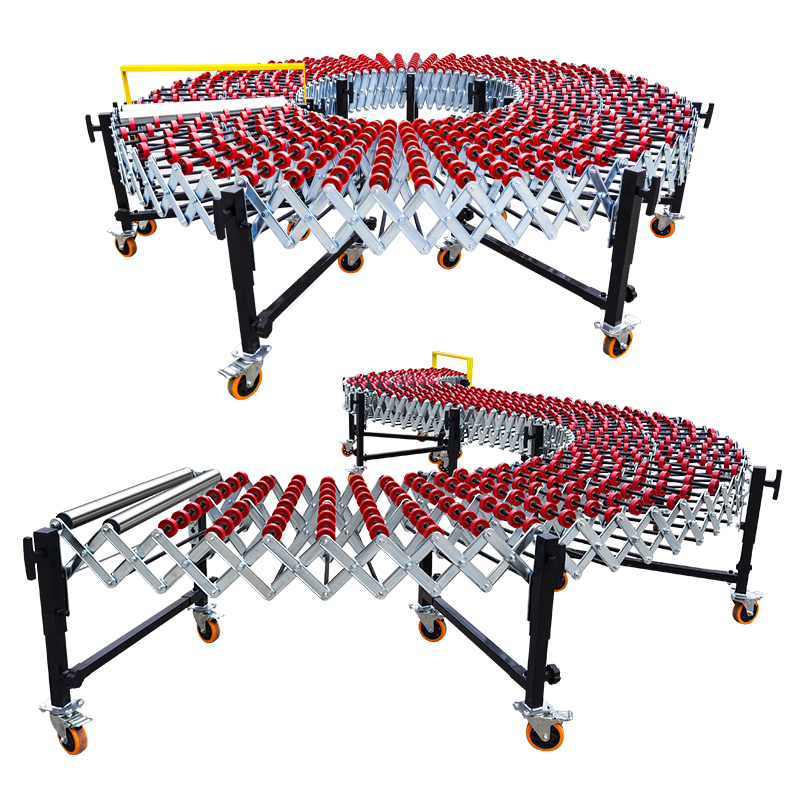
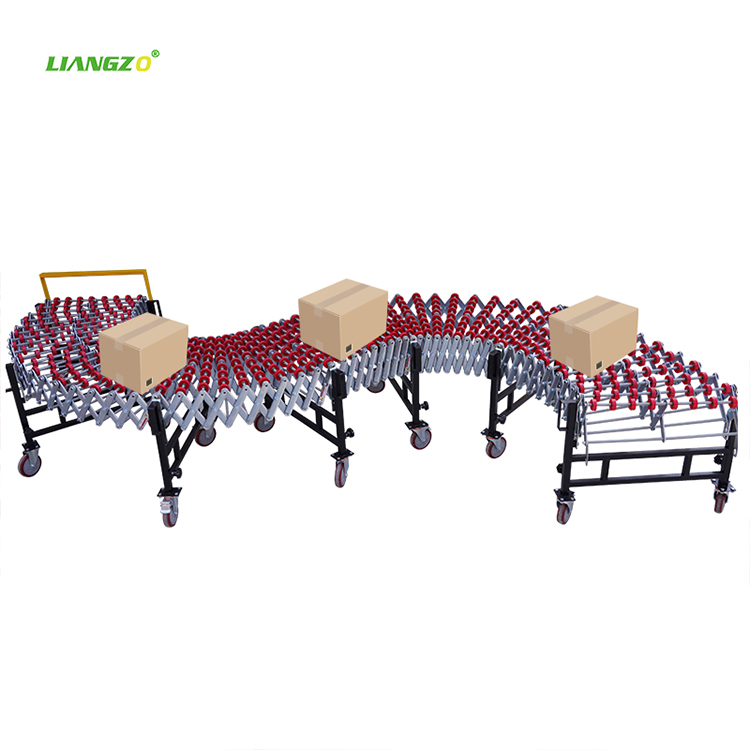
At its most basic level, the difference is mechanical. Skate wheel conveyors, often referred to simply as wheel conveyors, consist of a series of independent skate wheels—typically made of steel or resin—mounted on axles spaced along a frame.
These wheels rotate freely and are usually spaced apart, meaning the product being conveyed makes contact only at discrete points.
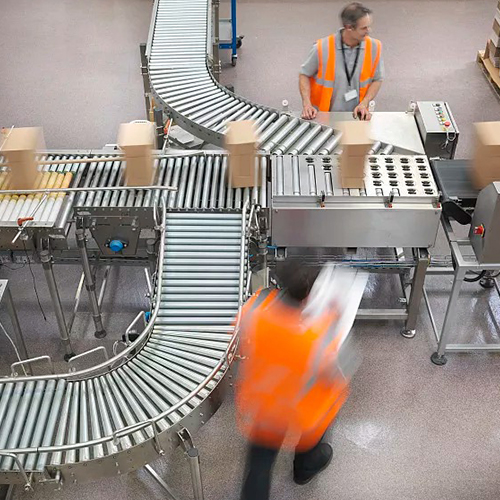
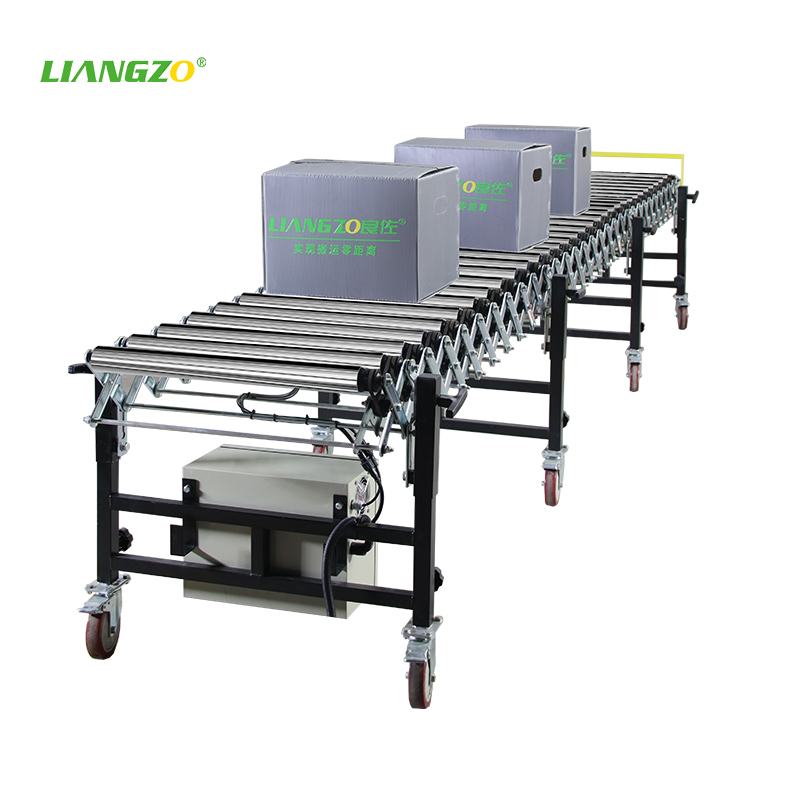
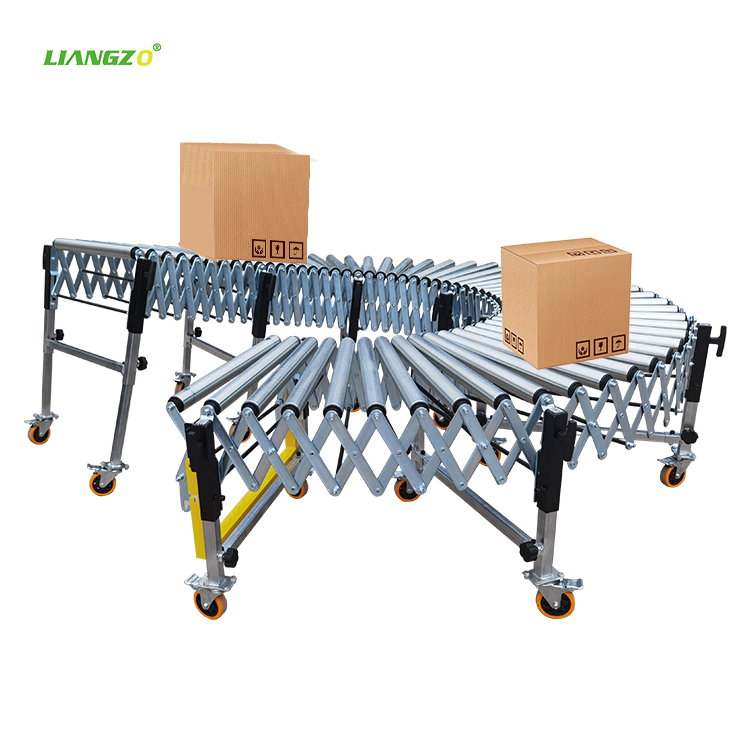
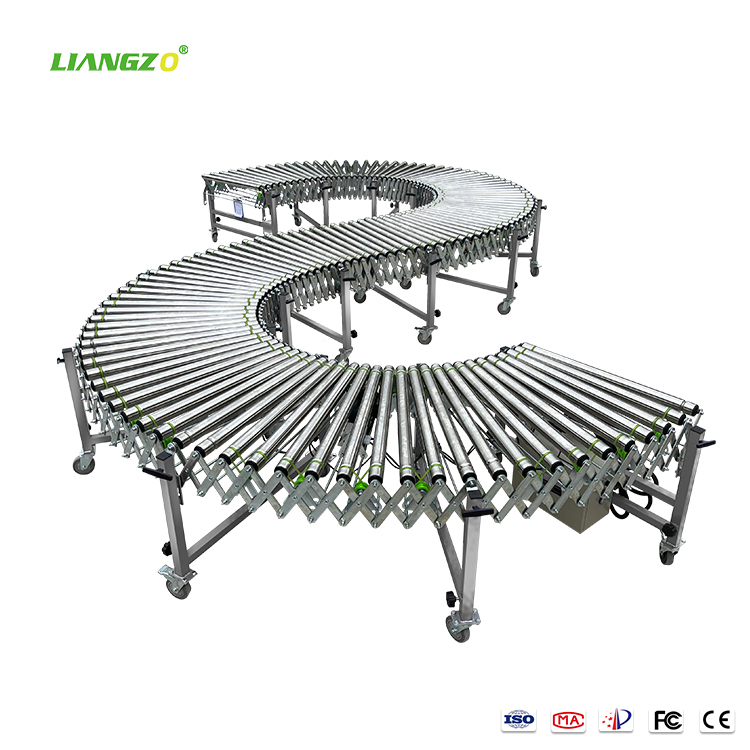
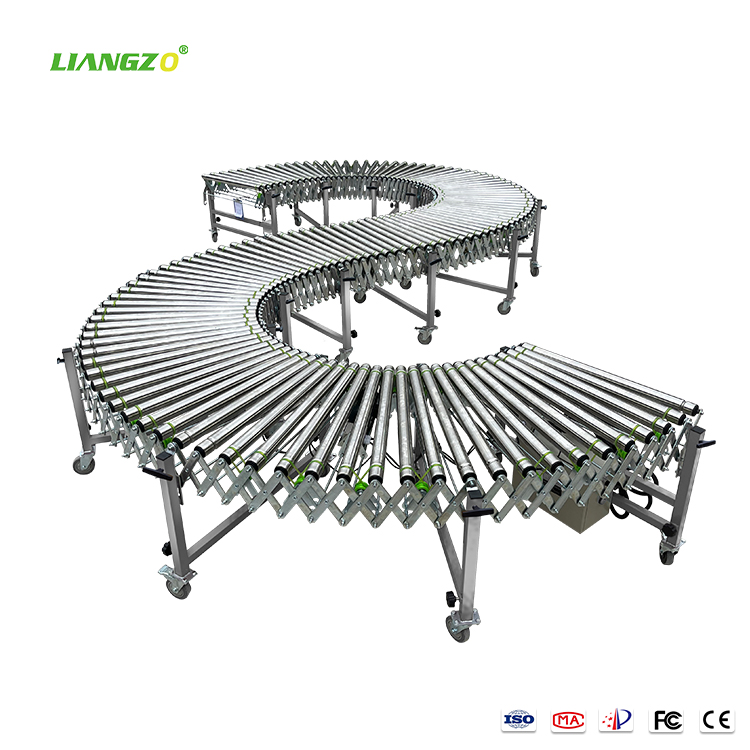
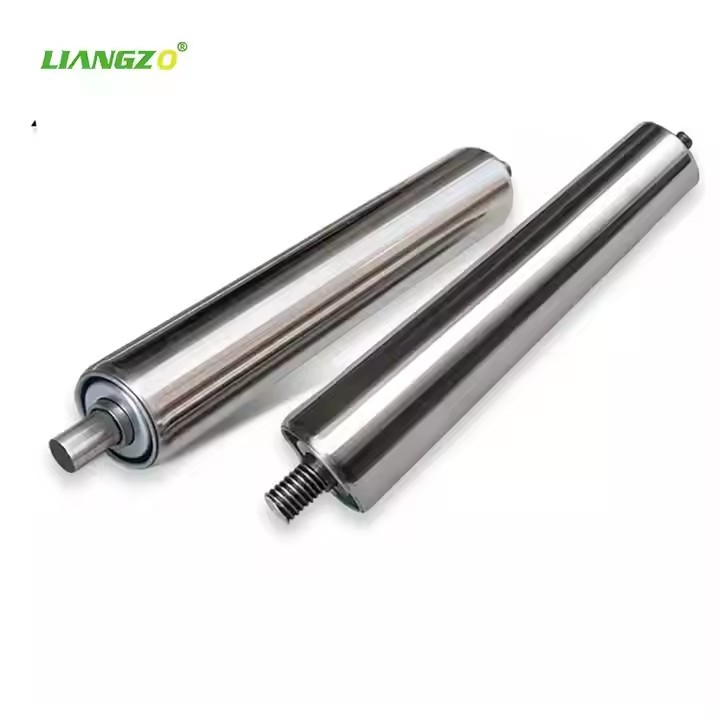
Roller conveyors, by contrast, utilize cylindrical tubes (rollers) that span the entire width of the conveyor frame. These rollers provide continuous line-contact across the width of the product.
According to the academic reference text found on ScienceDirect, this fundamental design difference dictates their respective places in the industrial ecosystem: "Wheel conveyors...are more economical than roller conveyors for light-duty applications," while "gravity roller conveyors are an alternative to skate-wheel conveyors for heavy-duty applications".
Weight and Load Distribution: The Three-Point Rule
One of the most sacrosanct rules in conveyor design involves the distribution of weight. For roller conveyors, engineers live by the "three-roller rule." Industry specialists emphasize that there should always be a minimum of three rollers under any box being conveyed at all times.
If a box is supported by only two rollers, it can create a "wobble" or "tumble" effect as the product traverses gaps in the frame. This rule dictates the spacing of the rollers based on the size of the smallest product in the system.
Wheel conveyors operate under a different logic: the "ten-wheel rule." Because the contact points are smaller and more concentrated, a minimum of ten wheels should support a product at any given time to prevent the item from sinking or catching This immediately defines the application spectrum. Roller conveyors are the go-to choice for items with uneven or open bottoms—such as wire baskets, pallets, or drums—where the concentrated points of wheels would catch and snag.
Wheel conveyors, conversely, excel with items that have smooth, flat, rigid bottoms like corrugated cartons, poly bags, and trays.
The Gravity Factor and Power Integration
Both systems are available in either gravity-fed or powered configurations. Gravity conveyors, whether wheel or roller, rely on a slight decline to move products, using no energy and offering a low-cost solution for short-distance transport .
However, as Russ Devilbiss, a former chair of the Material Handling Industry of America‘s Conveyor & Sortation Systems group, pointed out in an interview with Modern Materials Handling, “With gravity, you can’t control the force, and you always want to be in control of your product".This lack of control is where powered systems take over.
In powered applications, the differences become even more pronounced. Powered roller conveyors are highly versatile and can be driven by several methods:
• Line-shaft conveyors, where a rotating shaft uses rubber o-rings to spin the rollers.
• Belt-driven live roller (BDLR) , where a belt runs beneath the rollers.
• Motorized roller (MDR) , where a 24-volt DC motor is housed inside the roller itself, allowing for sophisticated "zoned" control and energy efficiency.
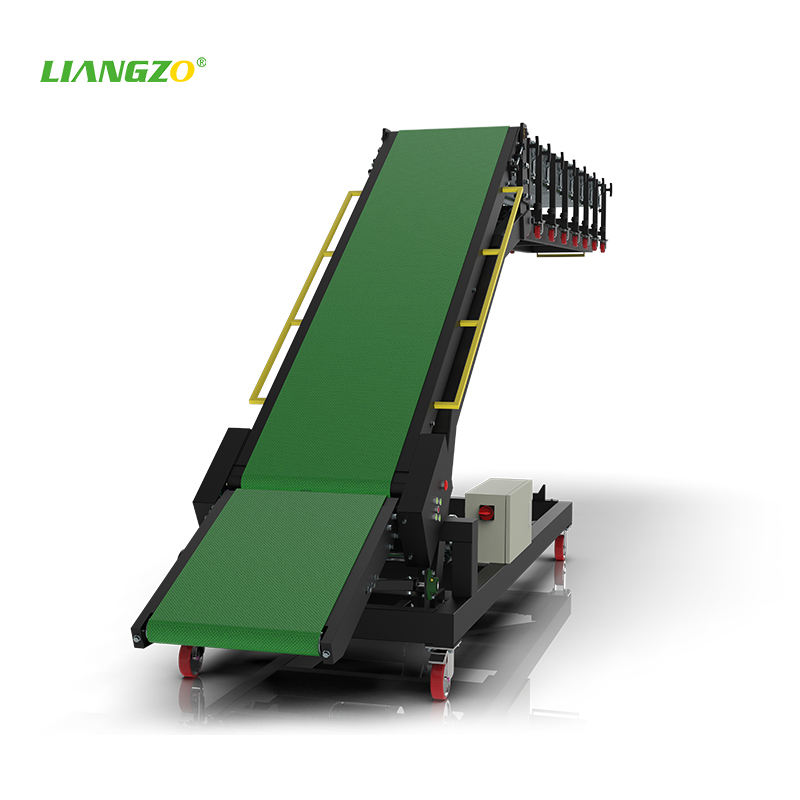
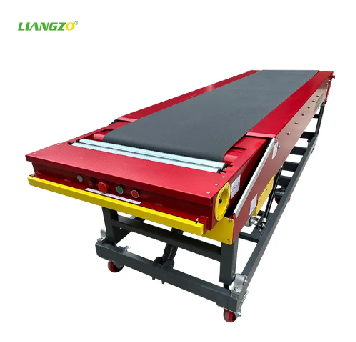
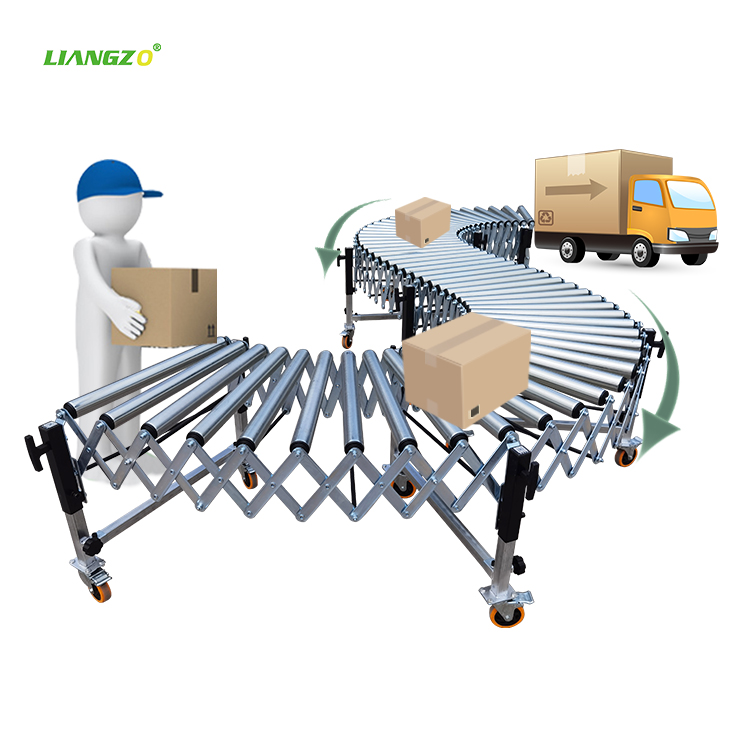
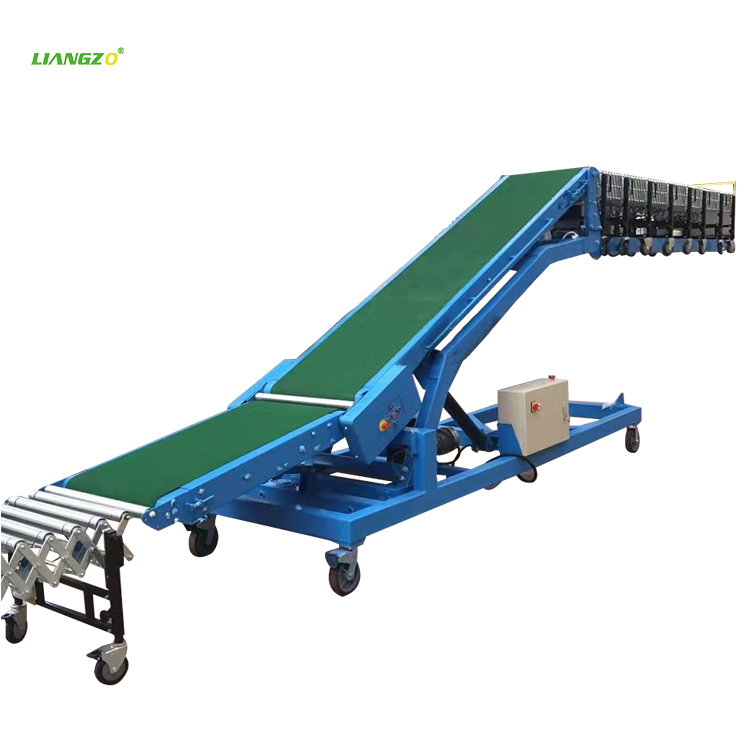
Wheel conveyors, due to their lighter construction, are rarely used in heavy-duty powered applications but are ubiquitous in portable and flexible settings. As noted in engineering resources, "Because of their light weight, skate wheel conveyors are sometimes built as portable equipment that can be used for loading and unloading truck trailers at shipping and receiving docks".
Application Showdown: Where They Dominate
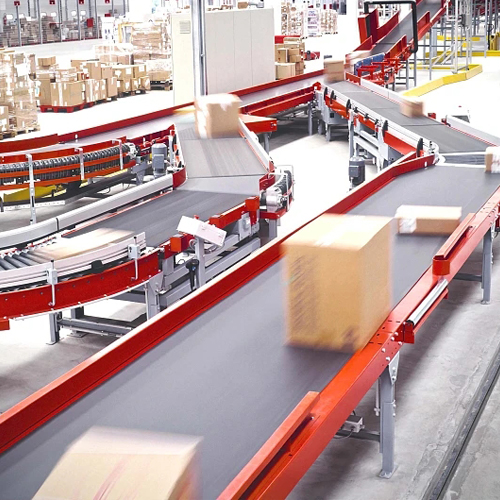
The modern warehouse is rarely exclusively one type or the other; rather, they form an orchestra of movement. Recent industry developments highlight this specialization.
For Heavy Lifting: Roller Conveyors
When the loads get heavy, rollers are the only answer. In August 2025, conveyor manufacturer Glide-Line released its new Roller Chain Conveyors specifically designed for transporting large, heavy products in demanding industrial environments. These systems are engineered to accumulate loads up to 700 kg, ideal for home appliances, furniture assemblies, and automotive components.
Similarly, Honeywell's Transnorm roller function conveyors are designed to handle boxes, bins, and containers in high-throughput sorting environments, capable of managing loads up to 50 kg/m with extreme precision.
In pallet handling, the difference is stark. Chain-driven live roller (CDLR) conveyorsare the standard for moving pallets weighing thousands of pounds. These systems use heavy-gauge rollers driven by chains along the side, providing the torque necessary for the job.
For Flexibility and Light Goods: Wheel Conveyors
Wheel conveyors shine in applications requiring maneuverability and care for light goods. They are extensively used in shipping and receiving for truck loading, where portable sections of conveyor are run into the back of a trailer .They are also preferred for curved sections of a line because each individual wheel can rotate independently, reducing friction and preventing jams.
MISUMI, a leading component manufacturer, highlights that wheel conveyors are essential in automotive parts assembly, distribution centers, and even the bulk material industry for specific applications .
The ability to coat wheels with materials like polyurethane or nitrile rubber allows them to handle impacts or reduce speed by generating higher friction, adding a layer of customization not always available with rollers .
The Rise of Modularity and the MDR Revolution
The lines between these technologies are blurring in the age of e-commerce. The demand for systems that are flexible, scalable, and energy-efficient has driven the adoption of Motorized Roller (MDR) technology .
MDR conveyors, which are typically roller-based, offer "on-demand" running—zones only power up when a package is present. This drastically cuts energy costs and noise.
Montech, a key player in the industry, expanded its portfolio in early 2026 to include highly configurable gravity roller conveyors (RB4020 and RB5025) designed to adapt to different products and processing requirements. These systems highlight the trend toward modularity, allowing single, double, or multi-track versions to be combined seamlessly.While this specific launch focuses on rollers, the modular philosophy is equally applied to wheel systems in flexible packaging lines.
Furthermore, innovations like the "controlled flow conveyor" blend the simplicity of gravity wheel or roller systems with the control of MDR, skewing products for singulation without the high cost of fully powered belt systems.
Cost, Maintenance, and the Decision Matrix
Ultimately, the choice often comes down to economics and Total Cost of Ownership.
Skate wheel conveyors are the budget-friendly champion. They are lighter, require less structural support, and are easier to move. However, they are more parts-intensive in some configurations (like line-shaft), and they lack the durability for constant heavy use.
Roller conveyors command a higher upfront cost, particularly sophisticated MDR or chain-driven models. Yet, they offer lower maintenance in heavy-duty environments and provide better control. For facilities dealing with mixed loads, a combination is common: wheel conveyors for picking and curved sections, and roller conveyors for accumulation, merging, and heavy transport.
Conclusion: No One-Size-Fits-All in a Custom World
As the packaging and logistics industries barrel toward a future of automation and robotics, the humble conveyor remains the circulatory system of commerce. The recent launches by Glide-Line for heavy roller conveyors and Montech for modular gravity systems prove that innovation is still flowing into this mature technology sector.
The difference between a roller and a wheel conveyor is not merely mechanical; it is strategic. Choosing wheels means opting for economy, flexibility, and the gentle handling of flat-bottomed goods. Choosing rollers means investing in durability, heavy-load capacity, and the precise control required for modern automation. For engineers and logistics managers, understanding this distinction is the first step in ensuring that the products we order today arrive at our doors tomorrow, intact and on time.