
Introduction
In the fast-paced world of logistics, warehousing, and freight handling, efficiency is paramount. Among the most transformative innovations in material handling technology are telescopic conveyors—versatile, extendable systems that have revolutionized loading and unloading operations across industries. From speeding up truck turnarounds at distribution centers to ensuring worker safety in harsh environments, these dynamic systems are becoming indispensable. This comprehensive guide explores everything you need to know about telescopic conveyors, from their fundamental mechanics to their future potential.
Chapter 1: Understanding Telescopic Conveyors
What Are Telescopic Conveyors?
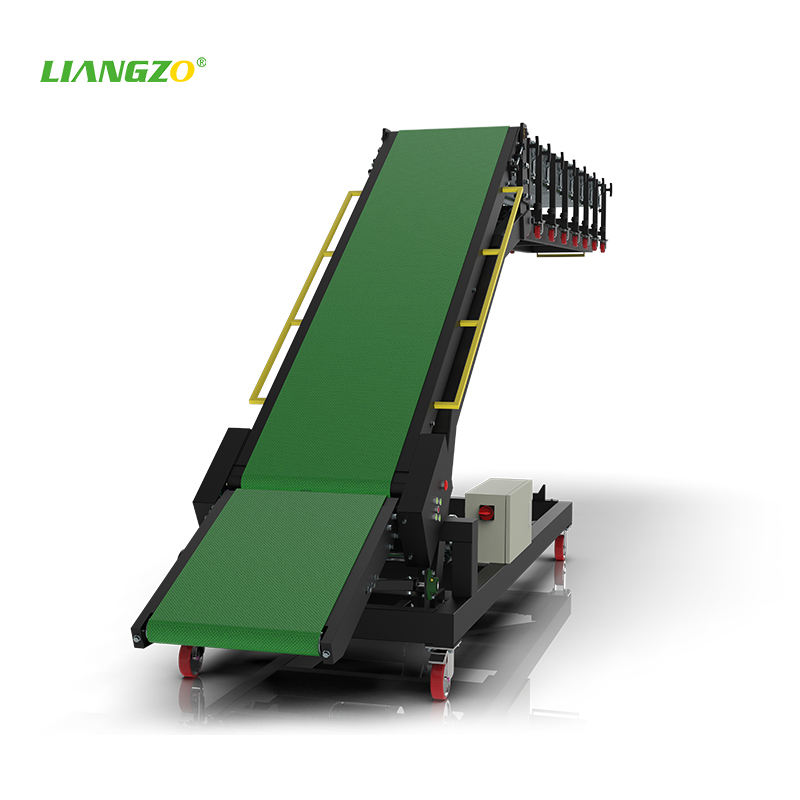
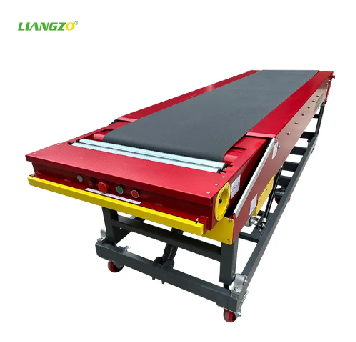
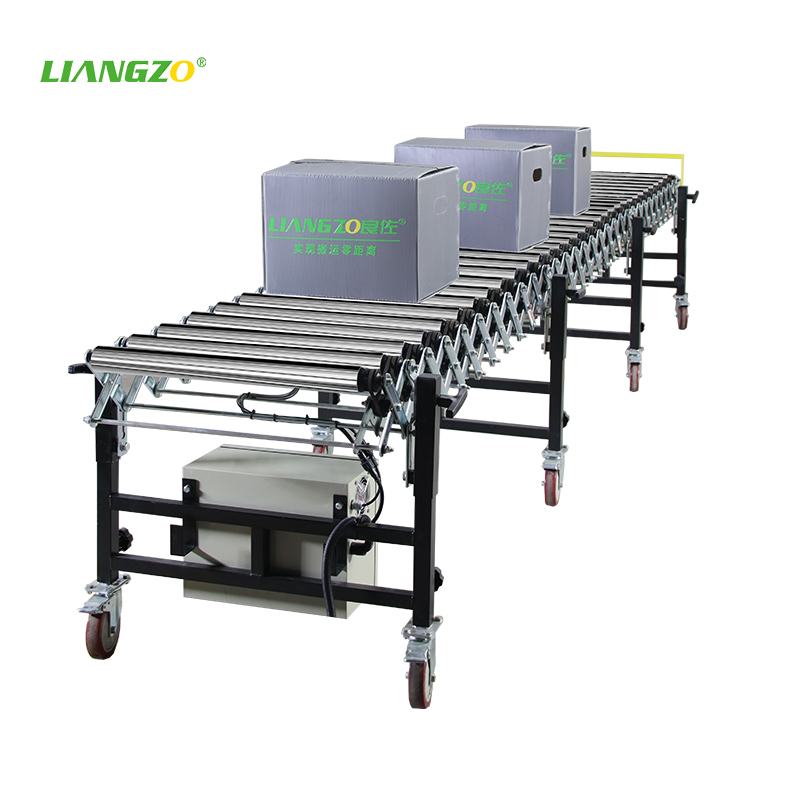
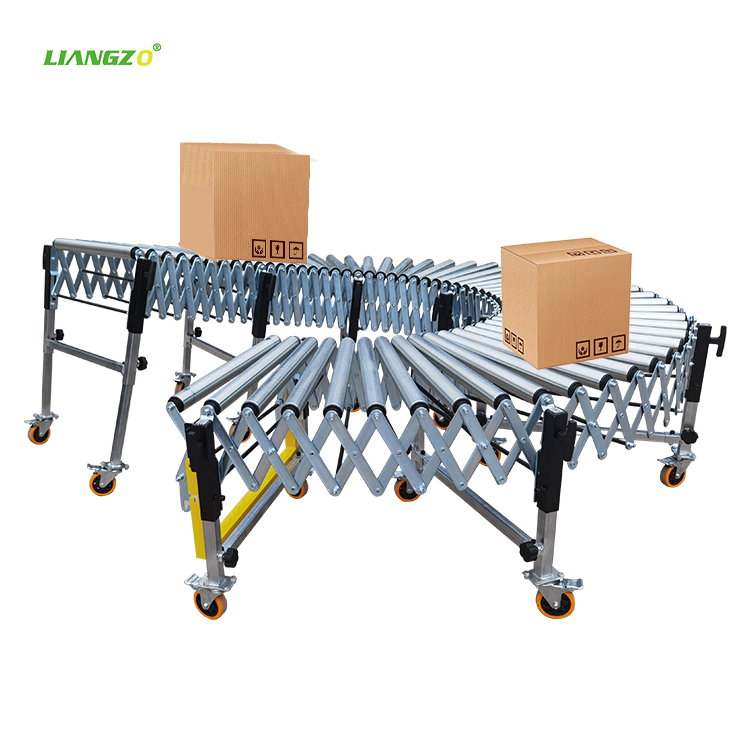
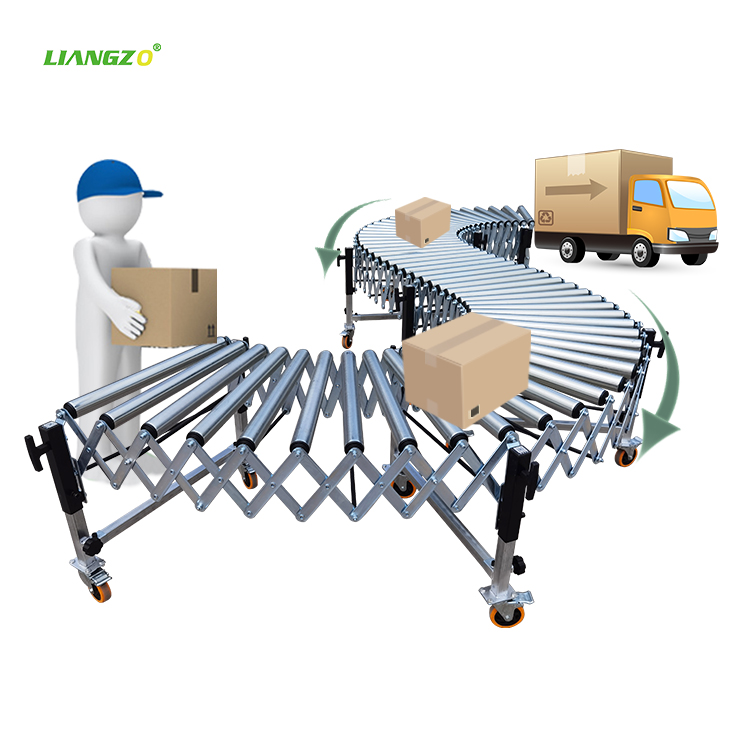
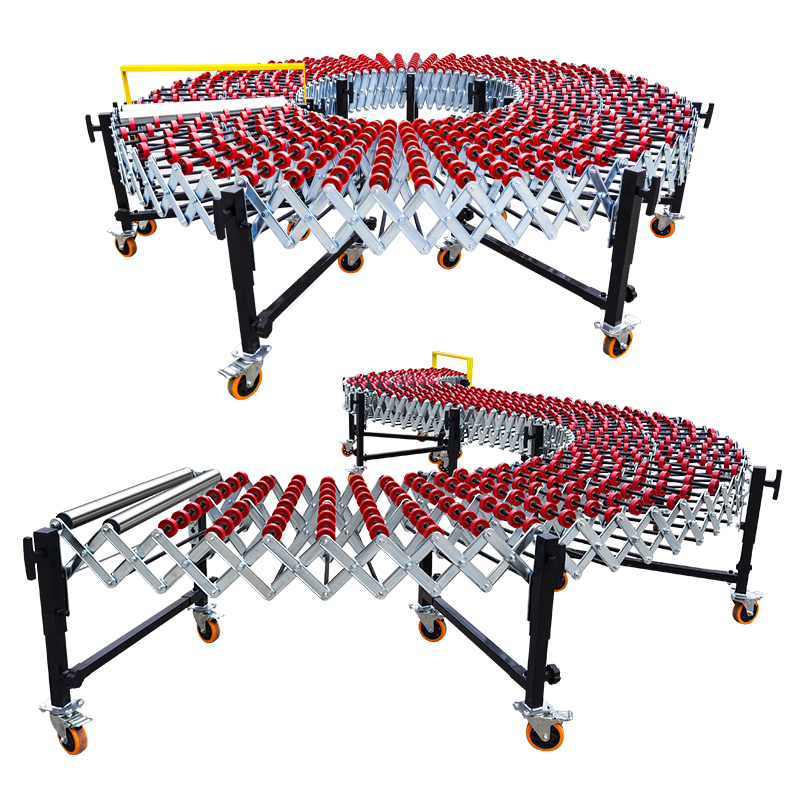
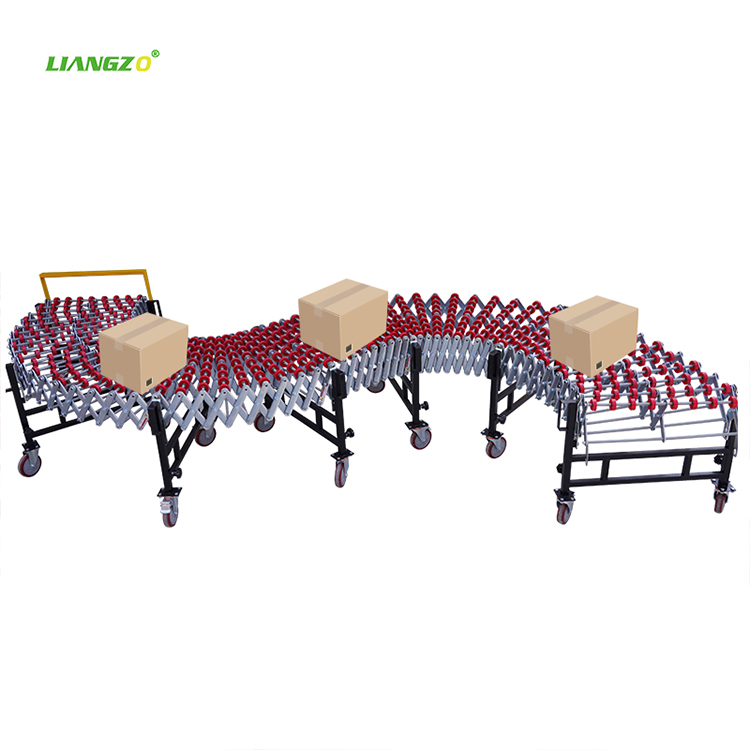
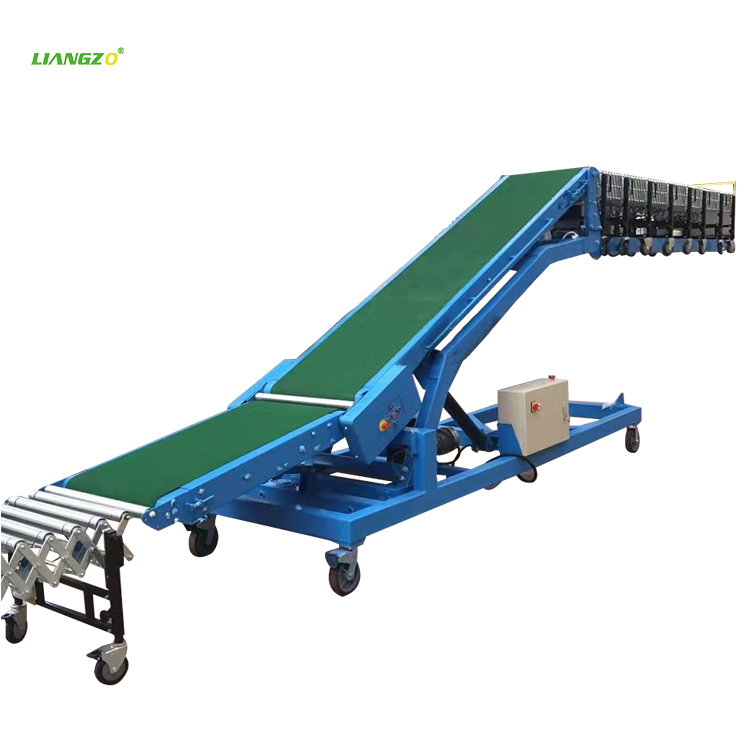
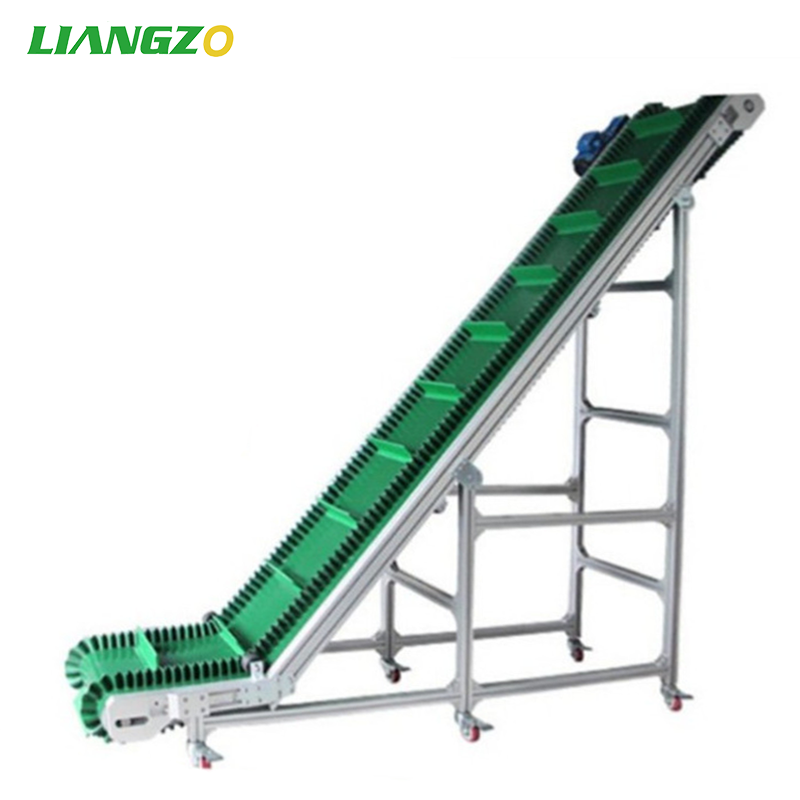
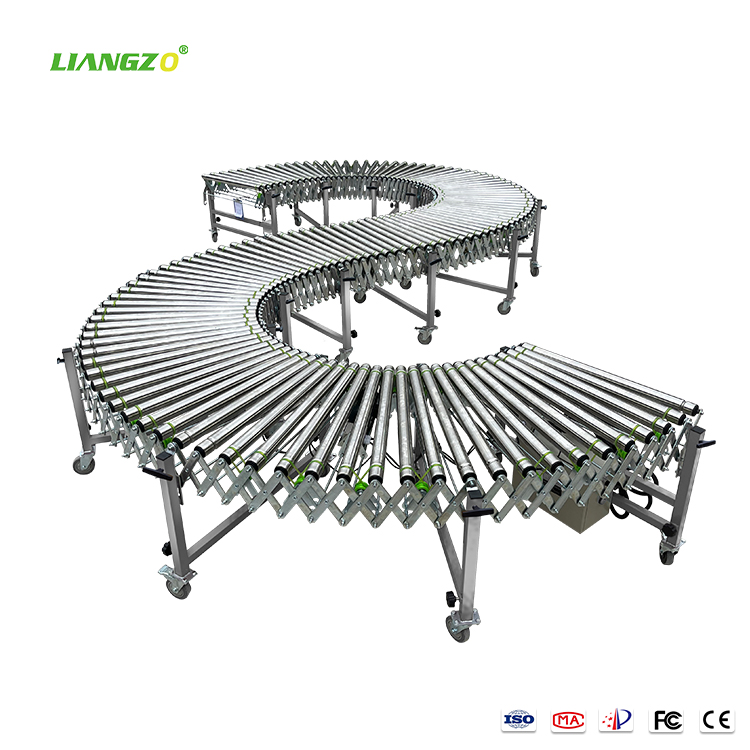
Telescopic conveyors, also known as extendable conveyors or boom conveyors, are flexible belt conveyor systems capable of extending and retracting to bridge the gap between a fixed loading point (like a warehouse dock) and a variable target point (like the interior of a truck or shipping container). Their segmented, nested design, reminiscent of a telescope, allows for significant length adjustment, making them ideal for handling goods in confined or variable spaces.
Core Components & How They Work
A standard telescopic conveyor consists of:
Base Section: The fixed, static structure anchored to the loading dock or floor.
Telescoping Booms: Multiple nested sections that extend and retract. These are typically powered by electric motors driving a chain or cable system.
Conveyor Belt: Runs along the entire length of the extended boom, transporting goods. It is independently powered.
Control System: Includes a control pendant or panel for operators to manage extension/retraction, belt speed, and direction.
Safety Features: Emergency stop buttons, safety skirts, obstacle detection sensors, and guarding are standard.
The operation is straightforward: the conveyor is wheeled or fixed into position, the boom is extended into the transport vehicle, and the belt is activated to move goods in or out seamlessly.
Chapter 2: Key Benefits & Advantages
The adoption of telescopic conveyors delivers profound operational advantages:
Dramatically Increased Efficiency & Speed: Loading and unloading times can be reduced by up to 50-70%. Goods move continuously from the warehouse shelf directly into the truck, eliminating manual carrying, multiple handlings, and waiting time.
Enhanced Worker Safety: They significantly reduce the risk of musculoskeletal disorders (MSDs) caused by repetitive lifting, bending, and carrying. Workers no longer need to climb into trucks or navigate uneven surfaces with heavy loads.
Optimal Space Utilization: By extending deep into trailers, they maximize the use of available cargo space, allowing for more organized and denser packing.
Labor Savings: One operator can manage the entire loading/unloading process, freeing up personnel for other value-added tasks and mitigating labor shortage challenges.
Improved Ergonomics & Working Conditions: Operators work in a fixed, ergonomic position, protected from extreme temperatures, rain, or pollutants inside trailers (e.g., from cold storage or dusty containers).
Reduced Product Damage: Controlled, direct movement on a stable belt minimizes impacts, drops, and friction damage common in manual handling.
Chapter 3: Types & Configurations
Telescopic conveyors are not one-size-fits-all. Key types include:
Truck Loaders/Unloaders: The most common type, used at warehouse docks for standard trailers and trucks.
Container Loaders: Heavier-duty models designed to handle the greater lengths and harsh environments of shipping containers.
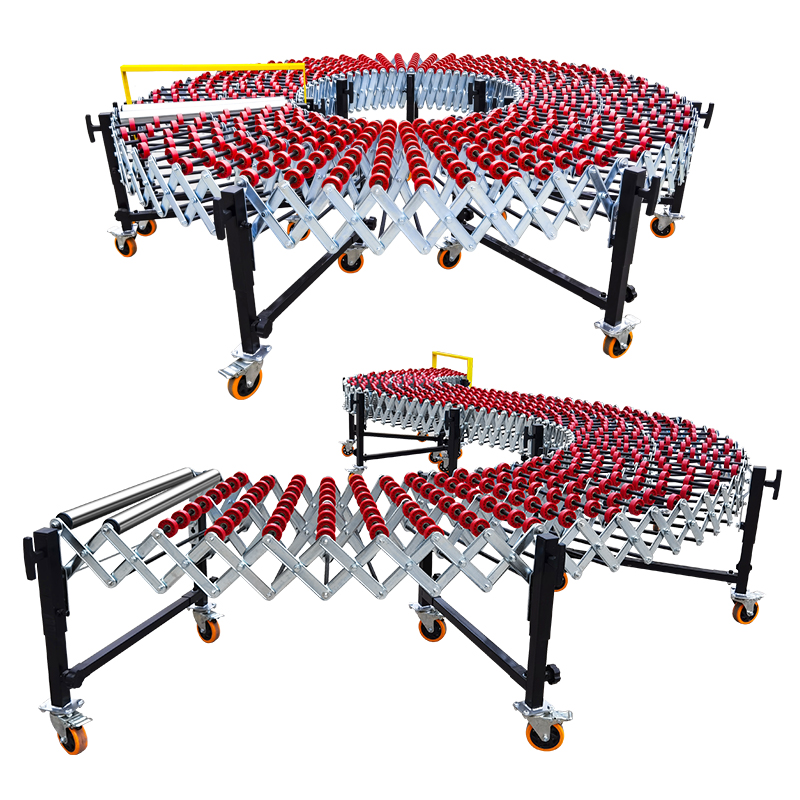
Radial Telescopic Conveyors: Mounted on a rotating base, they can swing to service multiple doors from a single fixed point, offering exceptional flexibility.
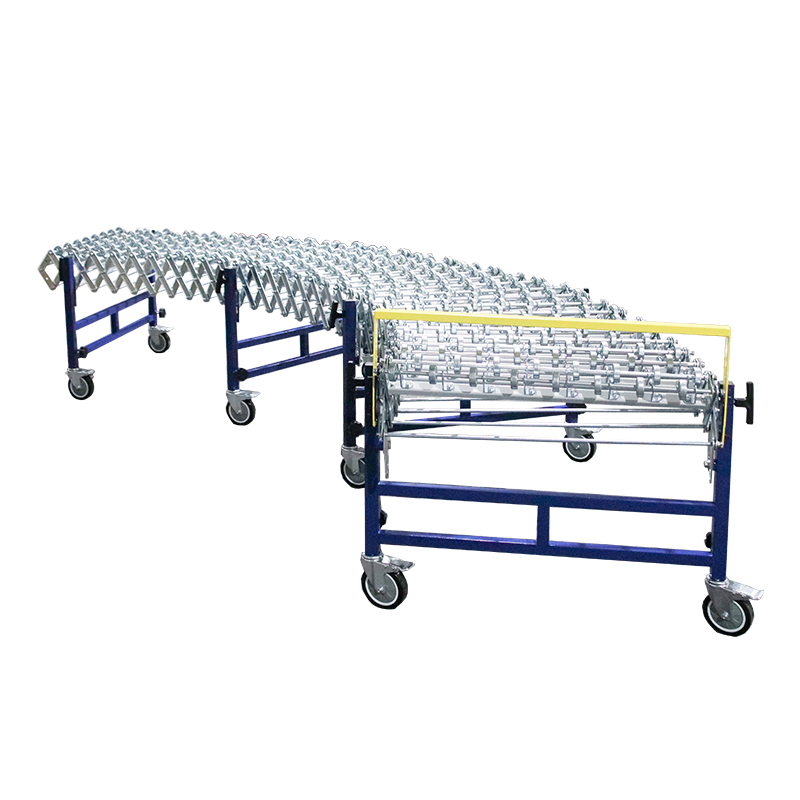
Mobile/Portable Telescopic Conveyors: Mounted on trailers or equipped with heavy-duty wheels, these units can be moved between sites or around a large facility.
Custom & Specialized Models: Includes units for specific industries, such as sliding floor systems for bulk materials or conveyors with integrated weighing or scanning systems.
Chapter 4: Critical Applications Across Industries
Logistics & Parcel Hubs: The backbone of e-commerce, handling high volumes of packages with speed critical to meeting next-day delivery promises.
Food & Beverage: Ensures hygienic, fast handling of perishables, especially in temperature-controlled environments.
Retail & Distribution Centers: Manages diverse SKUs from palletized goods to individual cases for store replenishment.
Automotive: Handles parts, tires, and components efficiently in large distribution centers.
Air Cargo: Speeds the transfer of luggage and freight between sorting areas and aircraft holds.
Moving & Storage: Facilitates the efficient loading/unloading of household goods and furniture.
Chapter 5: Choosing the Right Telescopic Conveyor: A Buyer's Checklist
Selecting the optimal system requires careful analysis:
Load Specifications: Maximum weight, dimensions, and type of goods (boxes, bags, tires, etc.).
Required Length & Reach: Maximum extended length needed to reach the farthest point of your target vehicle (consider different trailer sizes).
Duty Cycle & Throughput: Hours of operation per day and volume of goods (tons/hour) to determine durability requirements.
Power & Environment: Power source availability (electric, diesel) and environmental conditions (indoors, outdoors, cold storage, wash-down areas).
Integration Needs: Compatibility with existing Warehouse Management Systems (WMS), barcode scanners, or sortation systems.
Safety & Compliance: Required safety certifications (CE, OSHA) and specific features like explosion-proof motors for hazardous environments.
Budget & ROI: Consider total cost of ownership, including installation, maintenance, and potential energy savings versus labor reduction.
Chapter 6: Installation, Safety, and Maintenance
Installation: Can range from simple positioning for mobile units to fixed installations requiring foundation work and electrical hookup. Professional installation is recommended.
Safety First: Comprehensive operator training is non-negotiable. Key protocols include proper sequence of operation (extend belt after extension), clear communication zones, and strict adherence to lockout/tagout procedures during maintenance.
Maintenance Regimen: A proactive schedule is crucial:
Daily: Visual inspection of belts, rollers, and structure; check safety devices.
Weekly/Monthly: Belt tension checks, cleaning of debris, lubrication of moving parts.
Annually: Professional inspection of motors, drives, and control systems.
Chapter 7: The Future of Telescopic Conveyors
The next generation of telescopic conveyors is intelligent and connected:
Automation & Robotics: Integration with automated guided vehicles (AGVs) and robotic palletizers for fully automated dock-to-stock processes.
IoT & Smart Sensors: Embedded sensors will monitor belt health, track package counts in real-time, predict maintenance needs, and optimize energy use.
Advanced Control Systems: AI-driven software will optimize loading patterns for balance and space utilization, and sync conveyor operation with WMS data.
Sustainable Design: Focus on energy-efficient motors, regenerative drives, and lightweight, recyclable materials to reduce carbon footprint.
Conclusion
Telescopic conveyors are far more than just a convenient tool; they are a strategic investment in operational excellence. By addressing the core challenges of speed, safety, and cost in loading and unloading operations, they deliver a rapid and measurable return on investment. As supply chains grow more complex and consumer expectations for speed rise, the role of this adaptable technology will only expand. Whether you are operating a small warehouse or a massive cross-dock terminal, understanding and implementing the right telescopic conveyor solution is a definitive step toward building a faster, safer, and more competitive logistics operation. The future of material handling is extensible, intelligent, and efficient—and it is already here.